

This guide is designed to help you think through the many variables involved in designing your next label or nameplate. It’s a great starting point. And when you’re ready to dive deeper, our knowledgeable and experienced team is here to help you find the best solution for your specific needs.
Purpose and Appliction
Before designing, determine the purpose of the durable label or nameplate:
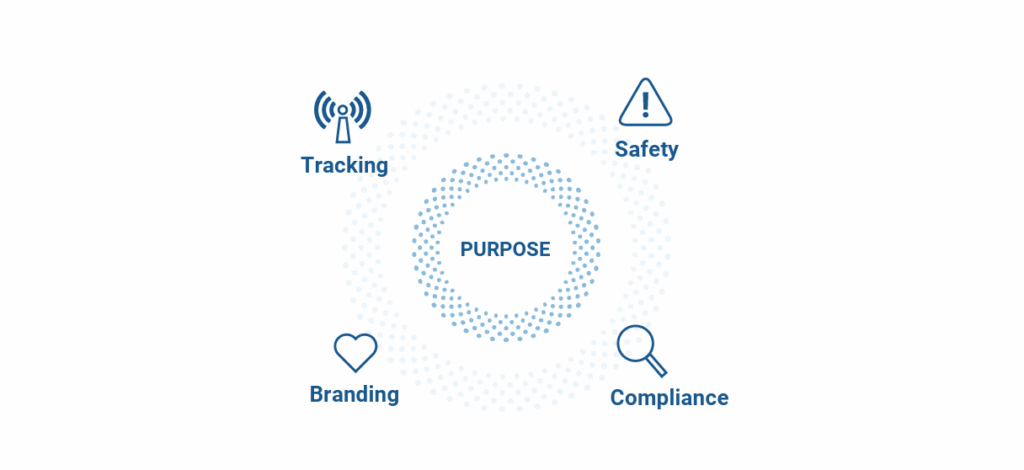
- TRACKING: Product name, brand, serial number, barcode.
- SAFETY: Operating procedures, warnings.
- COMPLIANCE / SECURITY: Regulatory or safety information (UL, CE, FCC, RoHS).
- BRANDING/AESTHETIC Logos, custom design elements.
Design Layout & Composition
A well-structured label or nameplate ensures information is easy to find and understand. From visual hierarchy to font choices and icon usage, thoughtful layout decisions make a big impact on usability and clarity.
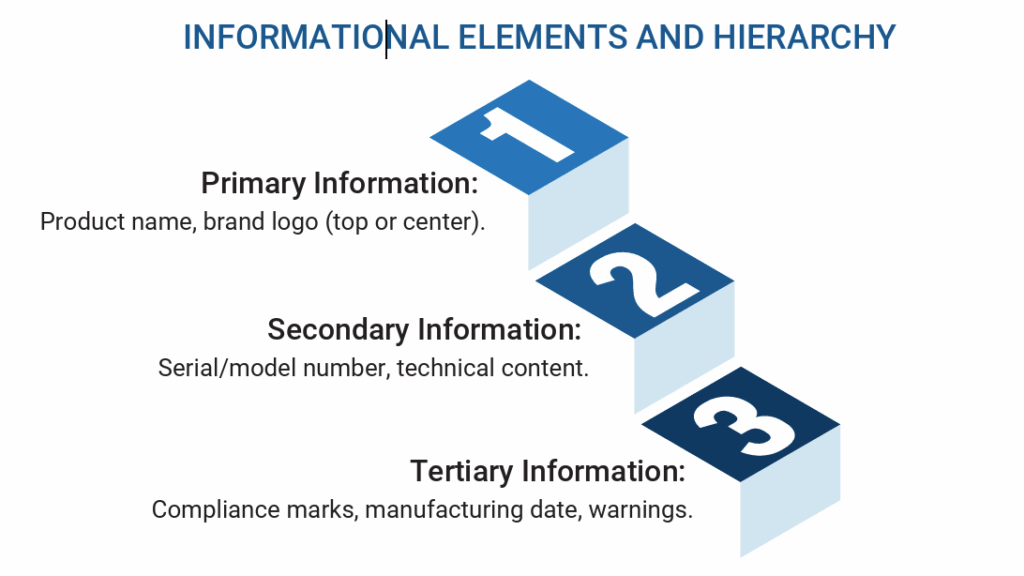
TYPOGRAPHY
- Use legible fonts (e.g., Arial, Helvetica).
- Font size should suit the viewing distance:
- Minimum 6 pt for close-up items.
- ≥12 pt for larger, industrial applications.
- Maintain sufficient contrast between text and background.
- Plan for sufficient spacing and sizing for elements like barcodes or borders.
ICONS & GRAPHICS
- Use standardized safety icons (ANSI, ISO).
- Ensure icons are clear and universally understood
Materials and Finishes
Material selection is one of the most important design decisions you’ll make. Factors like durability, appearance, and application environment all influence which substrates, adhesives, and finishes will work best.
SUBSTRATE TYPES
Metals: Aluminum, stainless steel – high durability up to 20+ years, but be aware of compatibility considerations such as galvanic corrosion.
Plastics: Polycarbonate, polyester, PVC – provides a range of options for aesthetics as well as durability and function.
ADHESIVE TYPES
- Permanent Adhesive: Industrial equipment, electronics.
- Removable Adhesive: Temporary labeling, inventory tags.
- Specialty Adhesives: High-temp, chemical-resistant, viscoelastic.
- View our Bonding and Adhesive Guide
FINISHING OPTIONS
- Laminates: UV protection, abrasion resistance.
- Embossing/Debossing: Tactile function as well as enhanced aesthetics.
- Anodizing (metal only): Enhances corrosion and wear resistance.

Durability Considerations
Labels and nameplates often need to perform in harsh or variable environments. Understanding exposure to heat, chemicals, UV, and abrasion will help you choose materials and coatings that hold up over time.
Temperature Range: Select materials that tolerate specified range.
Chemical Resistance: Required in industrial/medical/aerospace settings.
UV Resistance: For outdoor applications where direct sunlight is involved.
Abrasion Resistance:Consider overlaminates or hard coatings.
Compliance & Standards
Whether you’re labeling for safety, traceability, or global distribution, staying compliant is essential. Knowing which regulations apply to your product helps avoid delays, fines, or product recalls.
UL969: Standard for Marking and Labeling Systems
What are UL 969 recognized labeling constructions? learn more
RoHS/REACH: Environmental compliance.
CE/FCC/ISO: As applicable to the product type and market.
Color Guidelines
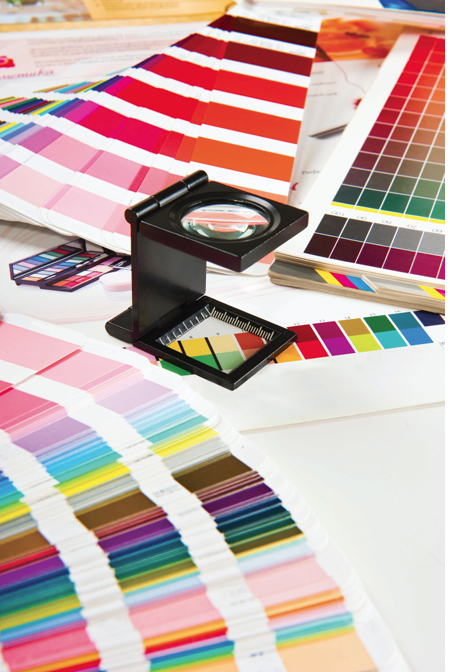
Color plays a role in both branding and communication. Whether you’re following corporate standards, safety codes, or accessibility needs, consistent and high-contrast color choices improve readability and recognition.
- Follow branding guidelines if available.
- Use high-contrast combinations (black on white, white on red).
- Warning labels should follow applicable ISO or ANSI color standards:
- Red – Danger
- Orange- Warning
- Yellow- Caution
- Blue/Green- Safety Information
Manufacturing Considerations
Designing with manufacturing in mind can save time and reduce rework. The right print method, material tolerance, and mounting option ensures smooth production and a high-quality final part.
PRINTING METHODS
- Screen Printing: Long-lasting, good for harsh environments.
- Thermal Transfer: On-demand, best for barcodes and serialization.
- Digital Printing: High-resolution graphics and variable data.
- Laser Engraving: Permanent, durable for metals and plastics.
TOLERANCES
- Account for tolerances: View Tolerance Guide
- Ensure safe spacing from holes, rivets, and edges. Melrose can help with DFM (design for manufacturability) to prevent issues and optimize for efficiency as projects ramp.
MOUNTING OPTIONS
- Adhesive Backing: Most common.
- Rivets/Screws: Heavy-duty or outdoor equipment.
- Magnetic Backing: Temporary signage or ID plates.
Quality Control & Prototying
Testing early helps prevent problems later. Prototyping and first-article inspections can confirm that your label or nameplate will meet expectations in the real world.
- Prototyping can be helpful for design review and approval.
- Conduct durability and readability tests under simulated end-use conditions.
- Utilize First Article Reporting as necessary to validate and document finished part results to specifications
Documentation
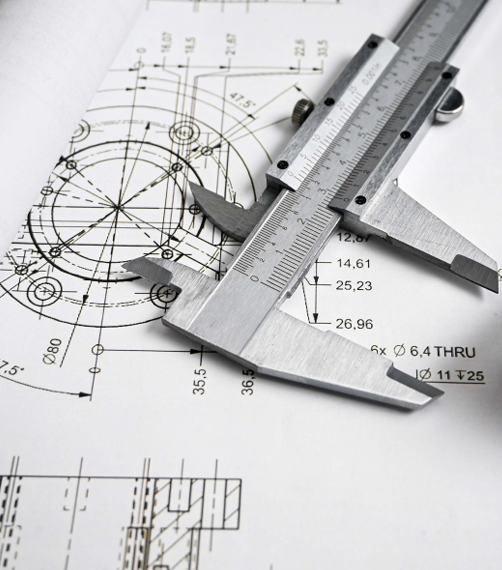
Clear documentation ensures consistency, traceability, and compliance. A thorough spec sheet supports smooth reorders, manufacturing accuracy, and quality control processes.
- Drawing with dimensions Material and adhesive specs
- Color references (Pantone or CMYK)
- Regulatory compliance notes
- Revision control/version history
Industries
AEROSPACE
- Custom Components for Aerospace & Defense
- Document all applicable compliance requirements on your drawings: FAA, EASA, MIL-STD, AS9100
- MIL-SPEC
- Ensure parts contain all necessary traceability elements: Serial and/or lot numbers, regulatory markings, component PN or other identifier.
- Design in material specs based on any potential extreme condition: Temperature, chemical, flame, and UV exposure
- Military Design
- Clearly communicate requirements for Material Certificate of Conformance and First Article Inspection Reports per AS9102.
MEDICAL
- Custom Components for Medical Devices
- Document all applicable compliance requirements on your drawing: FDA, UDI, ISO, and UL.
- Ensure drawings include critical performance requirements: Cleaning, Sterilization, Biocompatibility, and other end use conditions.
- Design in regulatory markings and symbols for identification/traceability, compliance, and end use requirements.
While there are an infinite number of variables and considerations to designing your specific durable label and nameplate solutions, this design guide is intended to help start the process. So many times, labels and nameplates are the last considerations in finishing a product design and build, but rushing or short cutting this process can have dire consequences to delivering a quality product on time.